Why Three-Letter Words Feel Like a Wall (and the One-Letter Swap That Fixes It Tonight)
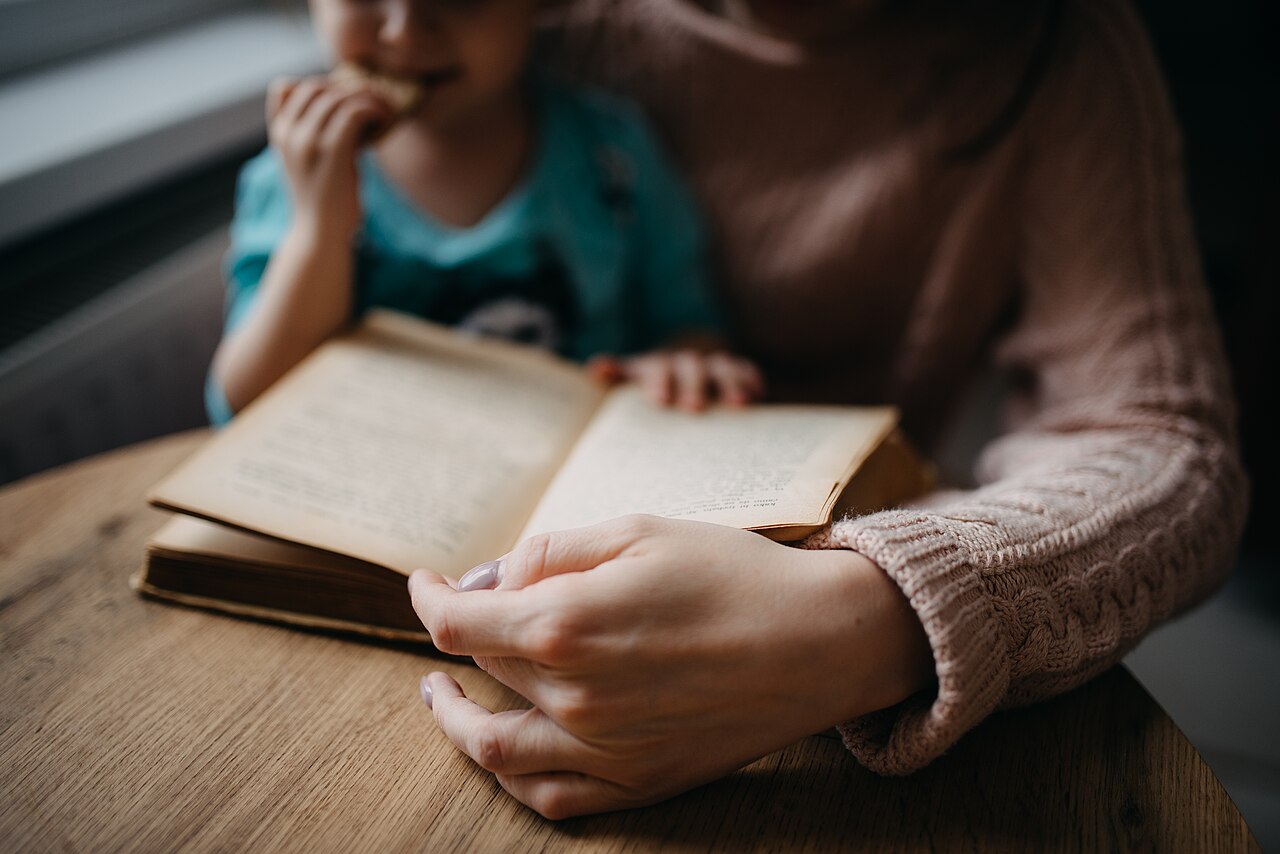
Picture this: it is 7:40 p.m., the dishes are in the sink, and your child is at the kitchen table with a little book. Yesterday they read the word "cat" like they owned it. Tonight the very next page says "hat," and everything stops. Same letters, almost. New word, apparently. If that scene lives in your house, this post is the fix, in plain words, with nothing to buy and nothing to print.
A three-letter word like cat, pin, or dog is called a CVC word — consonant, vowel, consonant. It is not baby work to rush past. It is the base pattern under early reading. Teach the word your child knows, then change one letter at a time — cat, hat, mat, sat, pat — and one known word turns into five readable words in a single sitting. Ten minutes a night is the whole program.
The video above walks through the full routine in order: the three middle sounds that run the lesson, the one-letter swap shown word by word, the loving mistake that makes little words feel like a wall, and a minute-by-minute plan for tonight. Watch for the swap in the middle section — that is the moment most parents say the light came on. If you only have four minutes, read the two sections below and run the swap game at bedtime.
What is a CVC word, in plain words?
Say the word "cat" slowly: "kuh, ah, tuh." Three sounds. The first and last sounds are consonants — the sounds made with your lips, teeth, or tongue blocking the air a bit. The middle sound is a vowel. Consonant, vowel, consonant: CVC. "Pin" is the same shape: "puh, ih, nuh." So is "dog": "duh, aw, guh."
Why does the shape matter? Because a child who can read this one shape can be taught, step by step, to read words they have never seen. That is the difference between reading and remembering. A child can memorize fifty words the way they memorize faces. It works until word fifty-one shows up. The CVC pattern is a tool instead of a memory trick: first sound, middle sound, last sound, in order, every time.
Only three middle sounds carry this whole post. The short a sound, "ah," the a as in apple, sits in cat, hat, mat, sat, pat, and nap. The short i sound, "ih," sits in pin, tin, and pig. The short o sound, "aw," sits in dog, pot, and top. Short means the quick, clipped sound — not the letter's name. When a three-letter word breaks down at the table, it is almost never the whole word that broke. It is one sound, and it is usually the middle one. Fix the one sound and the word stands back up.
Why can my child read "cat" but not "hat"?
Because nobody showed them the two words are related. To a new reader, hat is not "cat with a new hat." It is a brand-new stranger. The fix is to make the family tie visible. Write the ending "at" once, in one color. Then change only the first letter, one at a time, and say each new word out loud together: cat, hat, mat, sat, pat. The ending never changes, so the brain only has to learn one new sound per step. Teachers call these word families. At the kitchen table, call it the swap. It is the fastest honest win in early reading, and it takes about four minutes.
Run the same swap on the other two families. Pin becomes tin, and pig swaps the last letter instead of the first — show your child that either end can change while the middle holds. Pot becomes top. Then finish with nap, the one word on the list your child will beg to practice at bedtime and then refuse to do. Let them win that joke. A child who is laughing is a child who will come back tomorrow night.
Here is the same idea said a second way, because it is the hardest idea in this post: think of each word family as a train. The ending is the train cars, and they stay coupled. The first letter is the engine, and engines swap out. Your child is not learning five words. They are learning one train and five engines. That is a much smaller job, and children can feel the size of a job.
What is the mistake that makes little words feel like a wall?
When a child stalls, the loving instinct is to push: a harder book, to stretch them — or a fast rescue, saying the word for them every time. Both moves build the wall. The harder book hides the pattern they were one night away from owning. The instant rescue steals the one try their brain needed. The fix is the opposite of pushing. Drop back to a word they already own, run the swap, and end the session on a word they get right. End on a win, every night, even if the whole session lasted four minutes.
The stakes under this small routine are not small. In the 2024 national reading results (the NAEP, often called the Nation's Report Card), only 31 percent of fourth graders read at the proficient level. Nobody is asking you to fix a national number. The point is simpler: the road to that number runs through kitchen tables, and the first stretch of the road is twelve three-letter words taught in the right order.
What does tonight look like, minute by minute?
Minutes one to three: warm up on cat and its family — hat, mat, sat, pat — using the swap. Minutes four to seven: the short i set — pin, tin, pig. Minutes eight to ten: the victory lap — dog, pot, top, and nap if bedtime is close. Then stop while it is still fun. If tears show up, the step was too hard. Shrink the step, never the child.
For practice sets built in this exact order, the free Word Court starter activities on findaturor.online deal the swap game fresh each night — CVC words first, one swap at a time, nothing your child has not been taught. The tool is free to use. It exists so you never have to invent word lists at 8 p.m. with one eye open.
Keep reading
- When C and H Team Up: Why "Chip" Breaks, and the Circle That Fixes It — the team rule, the pencil circle, and the mouth check
- The End of the Word Is Where Reading Leaks: Fish, Bath, and the Two Sounds of TH — the tongue-and-buzz test for the two sounds of th
- All Parent Tips TV guides